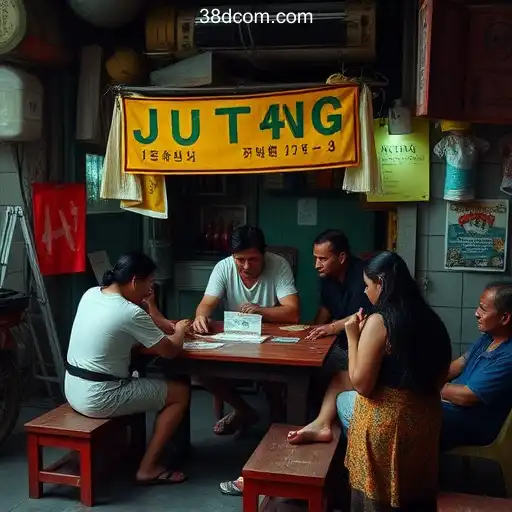
The Intricacies of Jueteng and Its Cultural Implications
In the tapestry of Philippine society, Jueteng stands out as an enduring cultural phenomenon, deeply embedded in the socioeconomic fabric of the nation. Despite its controversial nature, this numbers game has persisted throughout history as an unofficial yet potent form of entertainment and economic activity. While underground in its execution, the game is known to nearly every Filipino, offering not only a taste of the possible financial windfall but also a sense of community and cultural identity.
Origins and Operation of Jueteng
Jueteng's origins are somewhat nebulous, tracing back to the Spanish colonial era in the Philippines. Over time, it has evolved, occupying a unique space between gambling and tradition. Typically played using a series of numbers from 1 to 37, Jueteng relies on a system of bet collectors, or cobradores, who gather bets from players. These bets are then passed on to the game managers, often proxied through multiple layers, to preserve anonymity and insulation from legal repercussions.
The play involves selecting a combination of numbers, with the winning numbers randomly chosen. The game's simplicity, coupled with low entry stakes, makes it highly accessible to a broad demographic, from daily wage earners to high-stakes gamblers. Jueteng's allure lies in its potential for significant monetary return against minimal investment.
Socioeconomic Dimensions
While frequently cast in a negative light due to its illegality, Jueteng represents a strategic economic avenue for communities with limited access to formal banking and financial services. Betting provides a semblance of economic opportunity, particularly in rural and impoverished urban areas where conventional employment is scarce. The game also ensures a level of financial circulation, albeit informal, empowering local economies.
It's crucial to consider the human element, with Jueteng serving as both escapism and support system. Households might rely on possible winnings to cover urgent necessities such as food, education, and healthcare, allowing temporary relief from economic hardship. This economic undercurrent complicates the moral standing of Jueteng; it fills a void left by insufficient governmental and financial infrastructural support.
Cultural Resonance
Jueteng's place in Filipino culture extends beyond its economic impact. It has become a cultural institution, woven tightly into community life. Social interactions revolve around speculation about winning numbers, dream interpretations, and shared experiences, which foster a sense of camaraderie. This aspect of communal participation characterizes it less as an isolated vice and more as a collective, almost ritualistic activity, imbued with local wisdom and tradition.
Governmental Response and Controversy
Official responses to Jueteng have predictably been fraught with challenges, encapsulating larger issues of governance, law enforcement, and corruption. Despite concerted governmental and legislative efforts to curb the practice, such campaigns have seldom succeeded systematically. Attempts to legitimize similar number games via official lotteries or amendments to gambling laws face stiff resistance from both cultural and political realms.
At the heart of these challenges lies the inherent dichotomy between public pursuit and legal restriction. Efforts to demonize or eradicate Jueteng often clash with the pervasive belief that governmental crackdowns ignore, and at times aggravate, larger socioeconomic issues. Furthermore, allegations of police collusion and political patronage have muddied the waters, questioning the sincerity of anti-Jueteng campaigns.
Digital Evolution in Global Gaming
As traditional games like Jueteng persist, the digital landscape for gambling continues to expand, exemplified by the rise of platforms like 38D.Com. Such sites offer a wide range of online gaming experiences, particularly in countries with a substantial gambling culture like Brazil. Here, 38D.Com is noted for providing a range of enticingly popular games, showcasing the potent intersection between technology and traditional gaming fervor.
This digital evolution echoes globally, leveraging advancements to offer a more regulated, yet just as thrilling, gaming experience compared to unregulated variants. Thus, while traditional practices endure, their digital counterparts offer an alternative pathway, often couched in legality and safety.
Jueteng in Modern Discourse
The complex narrative of Jueteng remains a subject of significant debate. It grapples with legality, moral philosophy, and cultural identity. Its inherent resilience highlights broader themes of inequity, resistance, and adaptation. Though often vilified, Jueteng persists as a testament to the cultural resilience of its participants, redefining success and survival on their own terms within the constraints of their environment.
In conclusion, Jueteng represents more than mere gambling; it is a microcosm of the larger sociopolitical and cultural dynamics that continue to shape its enduring allure. As modern gaming options like those provided by 38D.Com continue to proliferate, the world of gambling stands at a crossroads, questioning traditional norms and redefining future directions.